
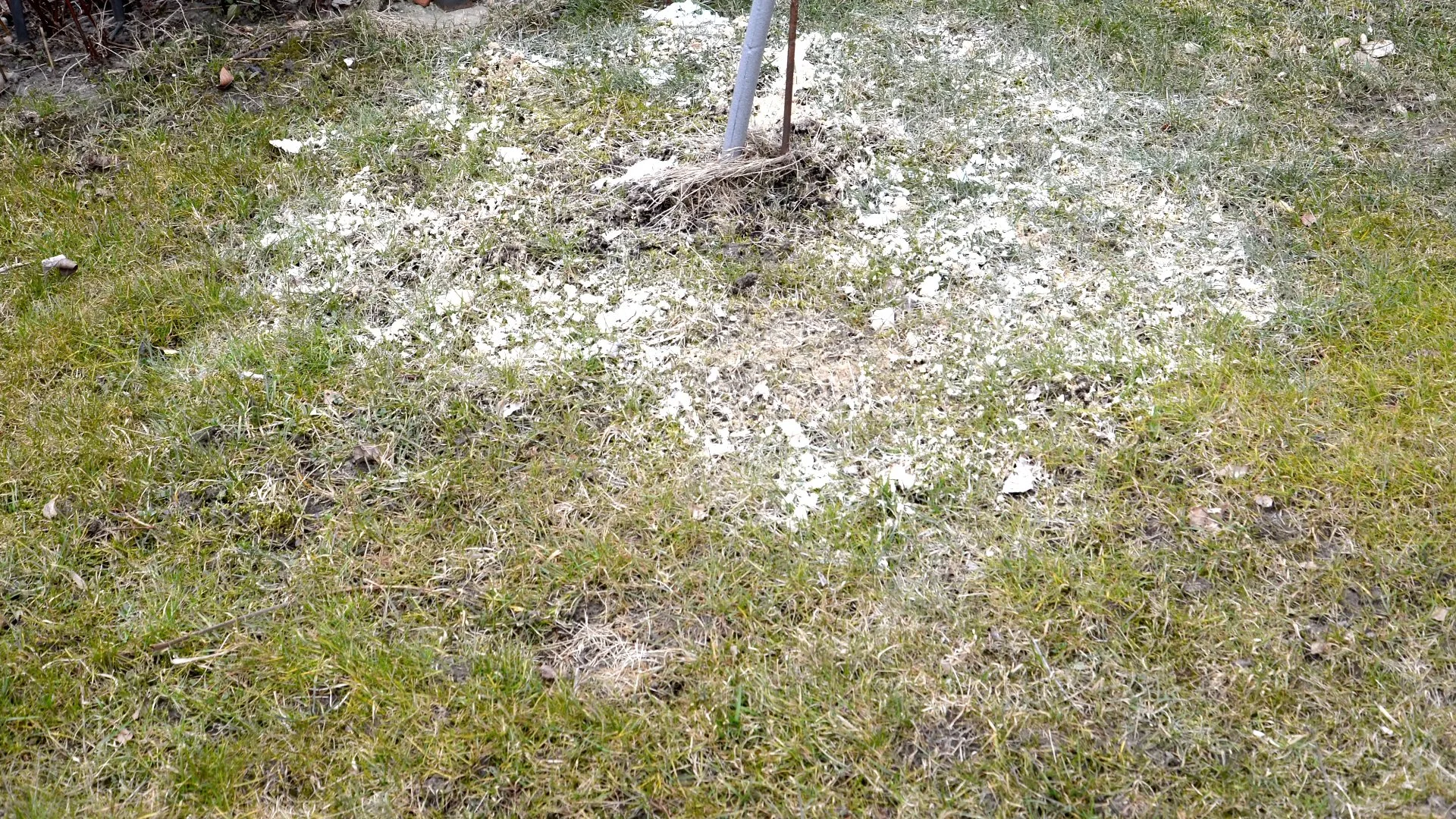

Lime treatments are designed to balance the soil pH in acidic environments. It's important to know the signs that your lawn in Delaware or Pennsylvania may need a lime treatment, including the growth of moss, an increase in weeds, ineffective fertilizer treatments, and yellow spots. Moss thrives in acidic soil, signaling that the pH may be too low for grass to flourish. Similarly, many weeds prefer acidic conditions, crowding out your grass.
If fertilizers aren't improving your lawn's health, high acidity may be preventing nutrient absorption. Yellow spots can also indicate nutrient deficiencies due to excessive acidity, as grass struggles to access essential nutrients like nitrogen and iron. Applying lime can balance soil pH, making it more hospitable for grass, improving nutrient availability, and promoting a healthier, greener lawn.
Moss growing on your lawn is a sign that it needs lime treatment.
Moss is one of the clearest indicators that your soil might be too acidic for grass to thrive. While grass prefers a slightly acidic to neutral pH (usually between 6.0 and 7.0), moss thrives in more acidic environments. If you notice moss spreading across your lawn, it’s a sign that the grass might be struggling to compete in the acidic soil. Applying lime can help balance the pH level, making the environment less favorable for moss and more suitable for grass growth.
An increased weed presence on your lawn indicates a need for lime treatment.
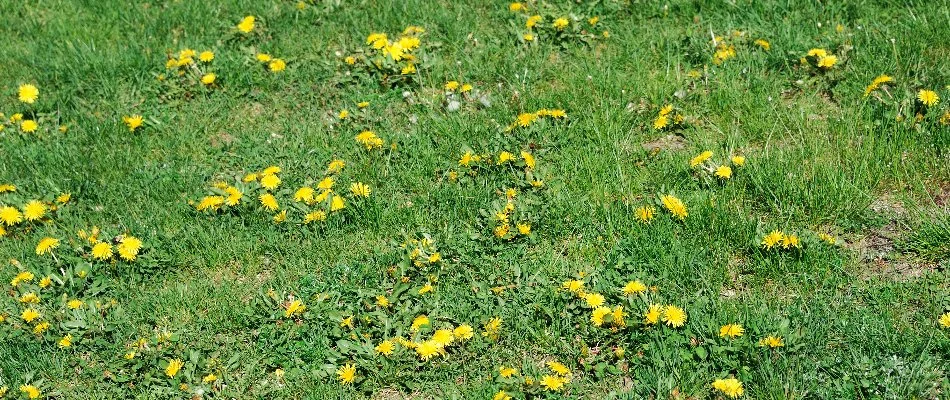
An influx of weeds can also suggest an imbalance in your soil’s pH level. Many weeds, like moss, favor acidic conditions where grass struggles. If you’re noticing an overabundance of weeds despite regular maintenance, it might be time to check your soil’s pH. Lime treatment can create a less hospitable environment for these invasive plants by raising the pH level, thereby giving your grass a better chance to outcompete them.
Fertilizer treatments that don't seem to work can indicate that you need to apply lime to your lawn.
Regular fertilization is crucial for lawn health, but if your grass still seems lackluster despite these efforts, the problem might lie in the soil’s acidity. High acidity can affect nutrient availability, preventing your grass from absorbing the essential elements even when they’re present. This is where lime treatment comes in. By adjusting the pH level, lime can enhance the effectiveness of fertilizers, ensuring that your grass receives the nutrients it needs to flourish.
Yellow spots throughout your lawn can point to a need for lime treatment.
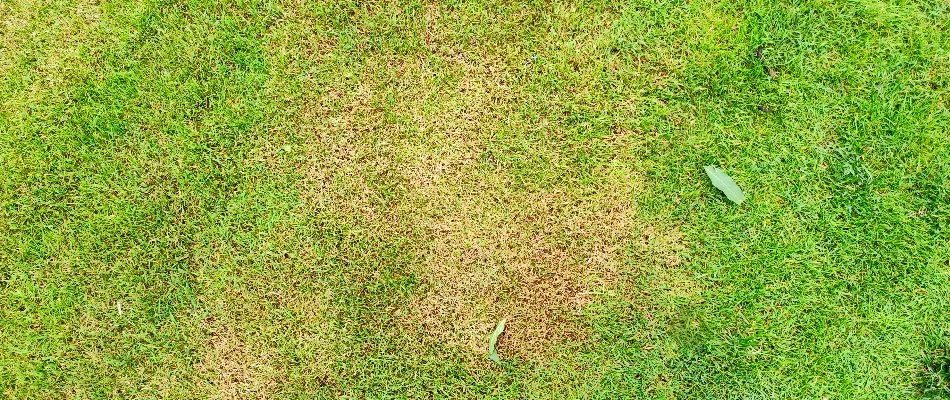
Yellow spots on your lawn are not just an eyesore; they can also be an indicator of underlying soil issues. When soil is too acidic, grass can struggle to absorb nutrients such as nitrogen, iron, and magnesium. This deficiency often results in yellow patches scattered across your lawn. Applying a lime treatment to adjust the soil’s pH helps make these nutrients more accessible to your grass, promoting a vibrant, uniform green color.
Call us today to schedule our lime treatments!
At Delaware Valley Turf, we understand the importance of maintaining a healthy and vibrant lawn. That's why we offer a lime treatment service to help achieve this. When you sign up for this service, our team will get a soil sample from your lawn and have it tested at the Penn State University Soil Analytical Laboratory. This way, we know the current condition of your soil and can determine the appropriate amount of lime to apply.
We offer our lime treatments to properties in Newark, DE, Doylestown, Blue Bell, PA, and throughout the surrounding areas. Give us a call at (610) 328-4170 to schedule our lime treatments today!

Comments (0)
Thanks for your comment!
Thanks for your feedback! Your comments have been successfully submitted! Please note, all comments require admin approval prior to display.
Error submitting comment!
There is a problem with your comment, please see below and try again.