
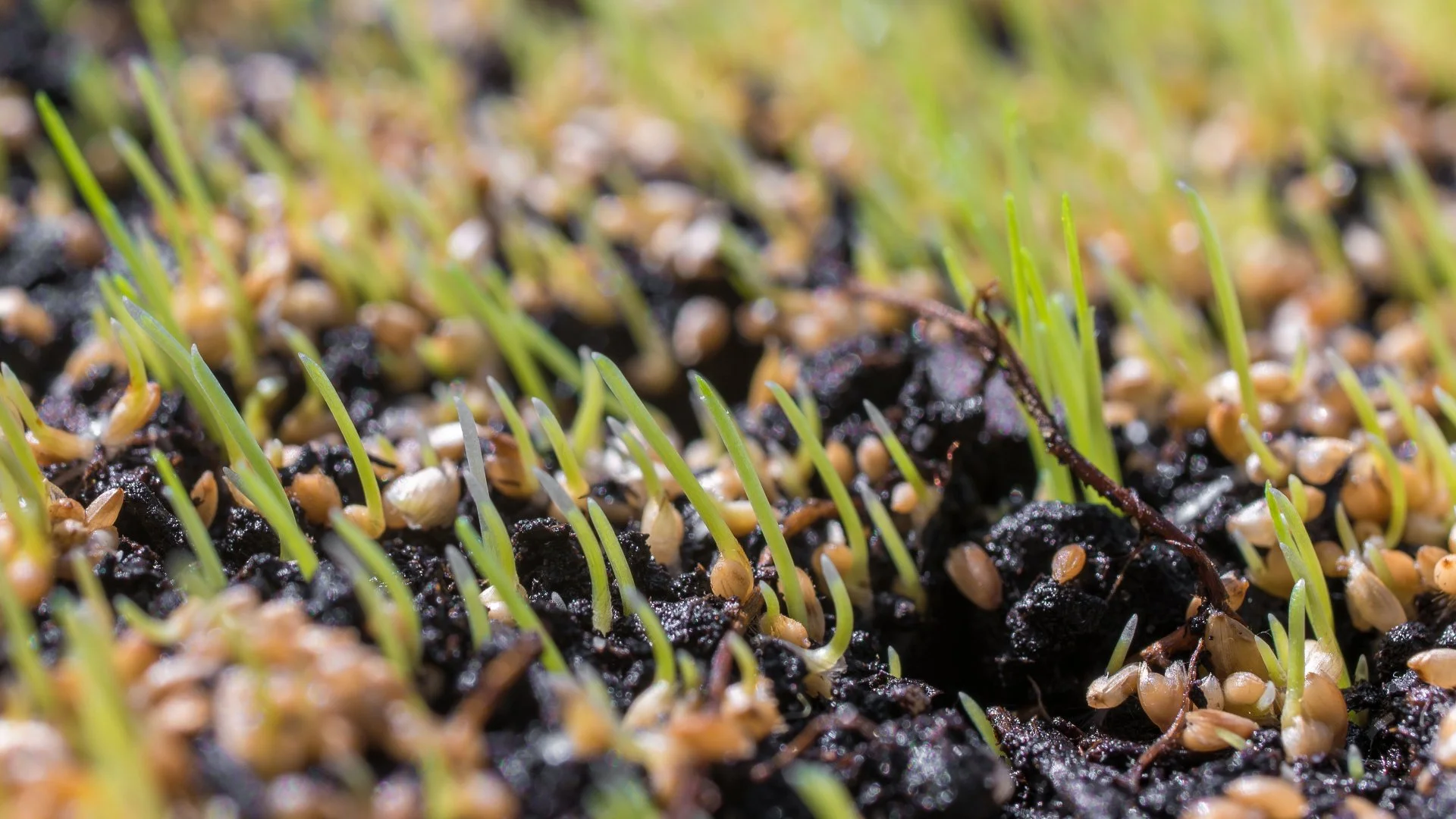

Overseeding is an excellent way to thicken your lawn in Delaware or Pennsylvania and fill in bare or patchy areas with new grass. However, if you're planning to apply weed control treatments after overseeding, you need to be mindful of the timing. After all, you don't want to hinder the growth of your new grass! While each weed control treatment comes with its own set of instructions, a general rule of thumb is to wait at least 3 to 4 weeks before applying any weed control treatments to your newly overseeded lawn. The longer you can wait, the better, as this will give the new grass more time to grow and establish itself. Additionally, once your new grass has fully established itself, it will naturally help to prevent weeds from taking over your lawn!
Why is timing important when it comes to overseeding and weed control?

Timing is crucial when dealing with new grass seeds and weed control because both processes can conflict if not properly managed. New grass seedlings are delicate and require a nurturing environment free of competition for sunlight, water, and nutrients. Applying weed control too soon can inhibit the growth of these young seedlings, as many herbicides can be too harsh on them. They often contain chemicals designed to kill broadleaf weeds or grass weeds, which can also adversely affect tender new grass if they haven’t had time to establish themselves.
Moreover, the primary goal of overseeding is to encourage the grass to establish a strong root system quickly. If herbicides are applied too early, they can disrupt this process, ultimately leading to patchy and inconsistent lawn growth. Ensuring proper timing can mean the difference between a flourishing lawn and a struggling patch of grass.
Wait 3-4 weeks before applying weed control treatments after overseeding your lawn.
The general advice after overseeding is to wait approximately 3 to 4 weeks before applying any weed control treatments. Patience during this period is essential, as it allows the new grass to establish itself sufficiently. Once the new seedlings have had a chance to develop roots and become somewhat hardy, they will be better able to withstand the effects of herbicides.
If you can extend this waiting period beyond 4 weeks, that's even better for the health of your lawn. By waiting longer, you give your grass more time to grow, which can minimize potential damage from weed control products. During this time, focus on providing the best care for your new grass by keeping the soil moist and ensuring it receives adequate sunlight and nutrients.
After overseeding, your new, dense lawn will naturally help to prevent weeds from taking over!
One of the fantastic benefits of overseeding is that it naturally helps in weed prevention. A dense lawn acts as a formidable barrier against weeds, which is a natural and effective strategy for long-term lawn care. When grass is thick and healthy, it covers the soil completely, leaving little room or opportunity for weeds to take hold.
Grass and weeds compete for the same resources—sunlight, water, and nutrients. A densely packed lawn doesn't leave much for weeds, effectively minimizing their chances to germinate and grow. By focusing on creating a healthy lawn through overseeding, you can significantly reduce your reliance on chemical weed control over time.
Call us today to schedule our weed control and overseeding services!
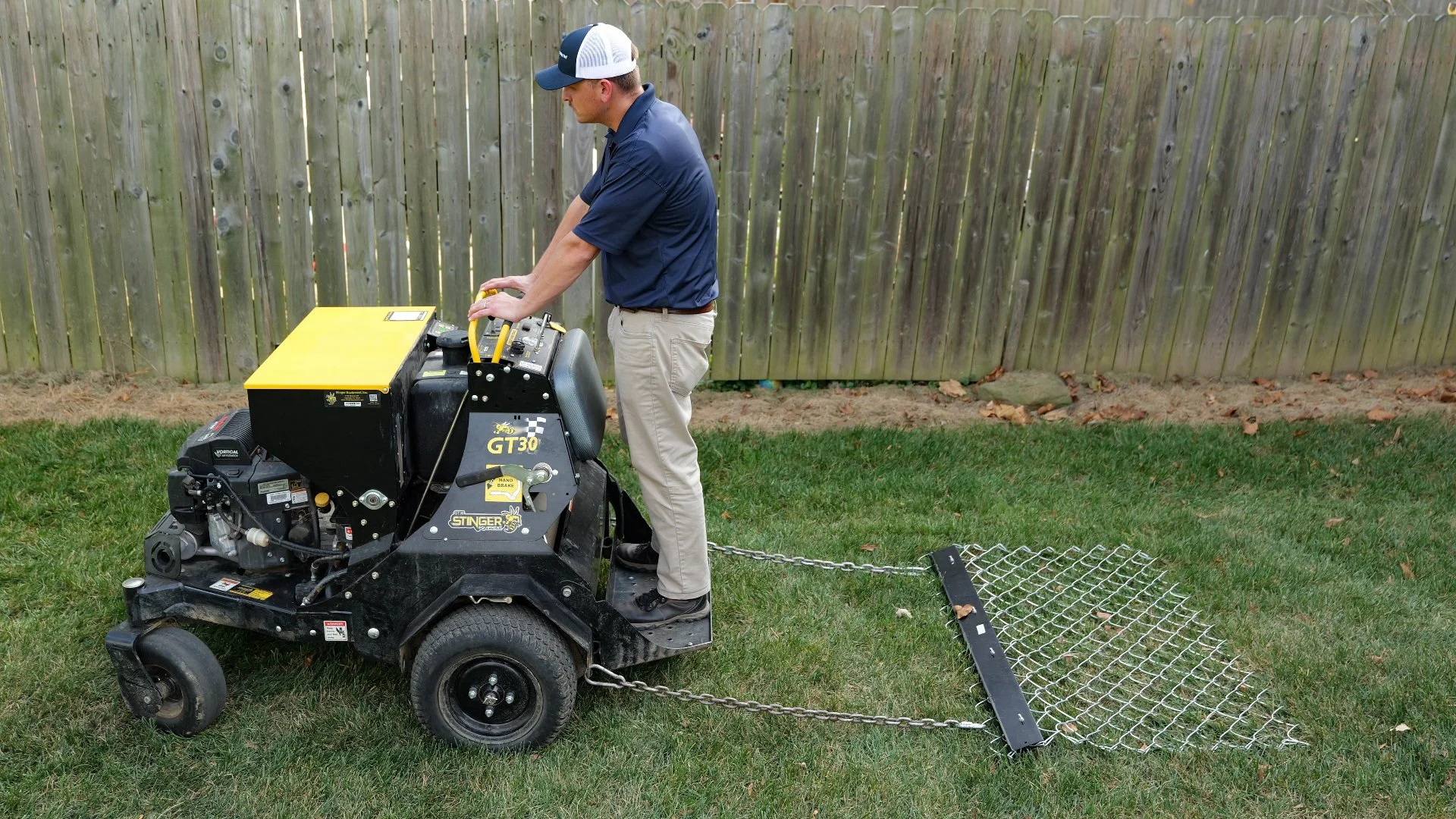
Understanding the timing between weed control and overseeding sets the stage for a vibrant and resilient yard. At Delaware Valley Turf, we offer weed control and overseeding services to help you achieve a lush, green lawn that can fight off weeds. Our weed control treatments are designed to prevent or eliminate weeds. If you wish to overseed, we'll make sure to wait the appropriate time before spreading the grass seeds to ensure they can develop successfully.
We offer these services to property owners in Newark, DE, Doylestown, Blue Bell, PA, and nearby areas. Give us a call at (610) 328-4170 to schedule these services.


Comments (0)
Thanks for your comment!
Thanks for your feedback! Your comments have been successfully submitted! Please note, all comments require admin approval prior to display.
Error submitting comment!
There is a problem with your comment, please see below and try again.