
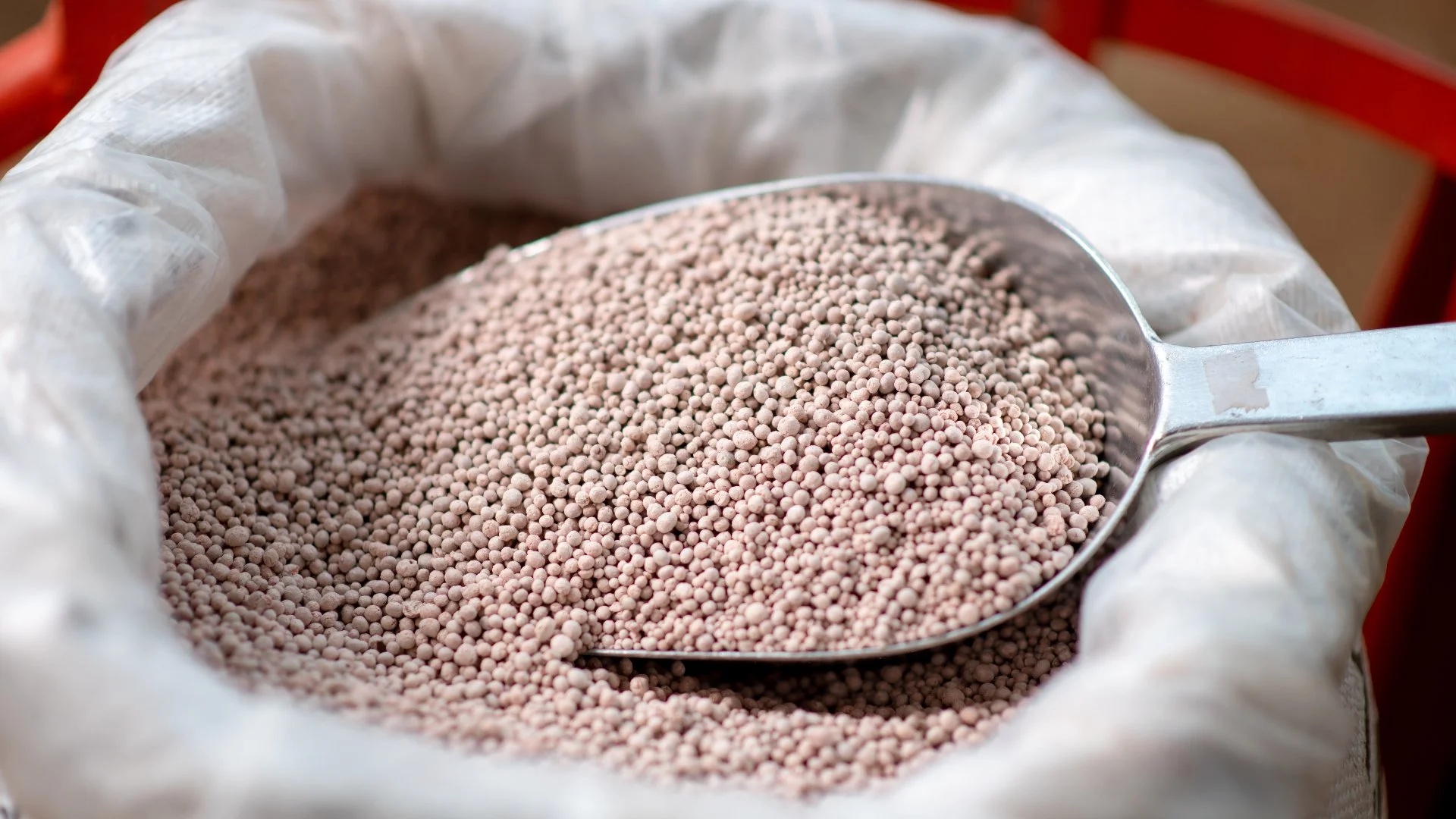

Fertilization plays a crucial role in achieving a lush, green lawn, providing the essential nutrients that it needs to thrive. However, overfertilization can have detrimental effects. Overfertilization can harm your lawn in Delaware or Pennsylvania by causing fertilizer burn, which leads to brown, scorched patches as salts dehydrate grass roots. Excess fertilizer also results in nutrient pollution when surplus nutrients wash into water sources, causing harmful algal blooms and ecological damage. Financially, using too much fertilizer is wasteful, leading to unnecessary expenses. Hiring professionals to fertilize your lawn ensures the correct type and amount is applied at optimal times, preventing these issues. They tailor fertilization plans to your lawn’s specific needs, promoting healthy growth without the risks of over-fertilization.
Giving Your Lawn Too Much Fertilizer Can Cause Fertilizer Burn
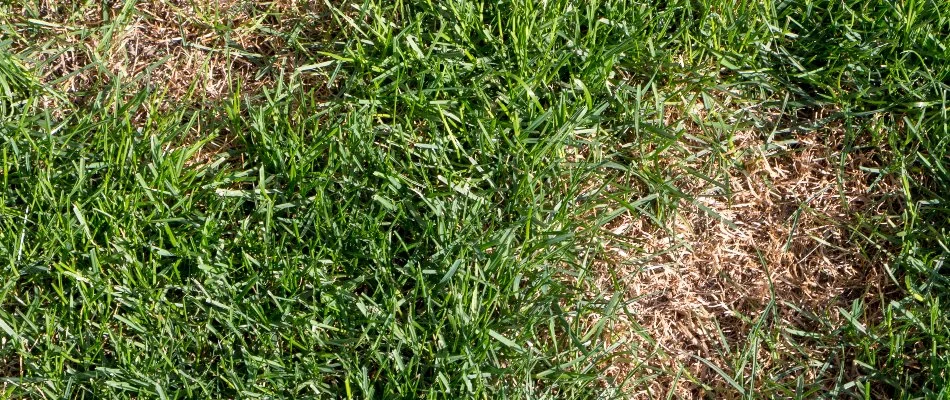
One of the immediate consequences of over-fertilization is fertilizer burn. This occurs when an excessive amount of fertilizer leads to a buildup of salts in the soil. These salts draw moisture away from the grass roots, causing dehydration. As a result, the lawn can develop scorched, brown patches, looking as if it has been burned.
Fertilizer burn damages the grass by disrupting its ability to absorb water and nutrients effectively. This dehydration stresses the lawn, making it less resilient to other environmental challenges. Once fertilizer burn occurs, the recovery process can be lengthy, requiring significant effort to restore the lawn to its former condition.
Too much fertilizer can lead to nutrient pollution.
Excess fertilizer doesn’t just affect your lawn; it can also have broader environmental impacts through nutrient pollution. When too much fertilizer is applied, the surplus nutrients, especially nitrogen and phosphorus, can leach into nearby water sources through runoff.
This runoff contributes to the eutrophication of water bodies, a process where increased nutrient levels lead to excessive algae growth. Algal blooms deplete oxygen levels in the water, creating dead zones where aquatic life cannot survive. Such pollution not only harms local ecosystems but also affects water quality for surrounding communities. By overfertilizing, you risk contributing to a broader environmental issue.
Using Too Much Fertilizer Can Be a Waste of Money
Beyond the environmental and physical damage, overfertilizing your lawn is simply a waste of money. Fertilizers are an investment, and applying more than necessary doesn’t translate to better results. In fact, the excess can counteract the desired effects, leading to additional costs for repairs and potential fines if runoff affects local water sources. Overfertilization can also harm soil health, requiring even more interventions. By carefully measuring the amount needed and applying it correctly, you avoid wasting resources and ensure your lawn receives just the right amount of nourishment.
Hire Pros to Fertilize Your Lawn
Given the complexities involved, hiring professionals is a wise decision for lawn fertilization. Lawn care experts understand how to assess the specific needs of your grass, including the right type and amount of fertilizer. They consider important factors such as soil type, grass species, and regional climate to create a tailored fertilization plan that optimizes growth and health.
Professional lawn care services also schedule fertilizer applications at the most beneficial times, ensuring maximum efficiency and minimal waste. By entrusting your lawn to the experts, you not only avoid the risks of overfertilization but also achieve the lush, green lawn you desire.
Call us today to enroll in our lawn fertilization service!
Avoid the pitfalls of using too much fertilizer by working with our lawn care pros at Delaware Valley Turf. We offer a lawn fertilization service that involves well-timed applications to avoid giving your grass excessive fertilizers. Our team offers this service to properties in Newark, DE, Doylestown, Blue Bell, PA, and neighboring areas. Enroll in this service by giving us a call at (610) 328-4170!

Comments (0)
Thanks for your comment!
Thanks for your feedback! Your comments have been successfully submitted! Please note, all comments require admin approval prior to display.
Error submitting comment!
There is a problem with your comment, please see below and try again.