
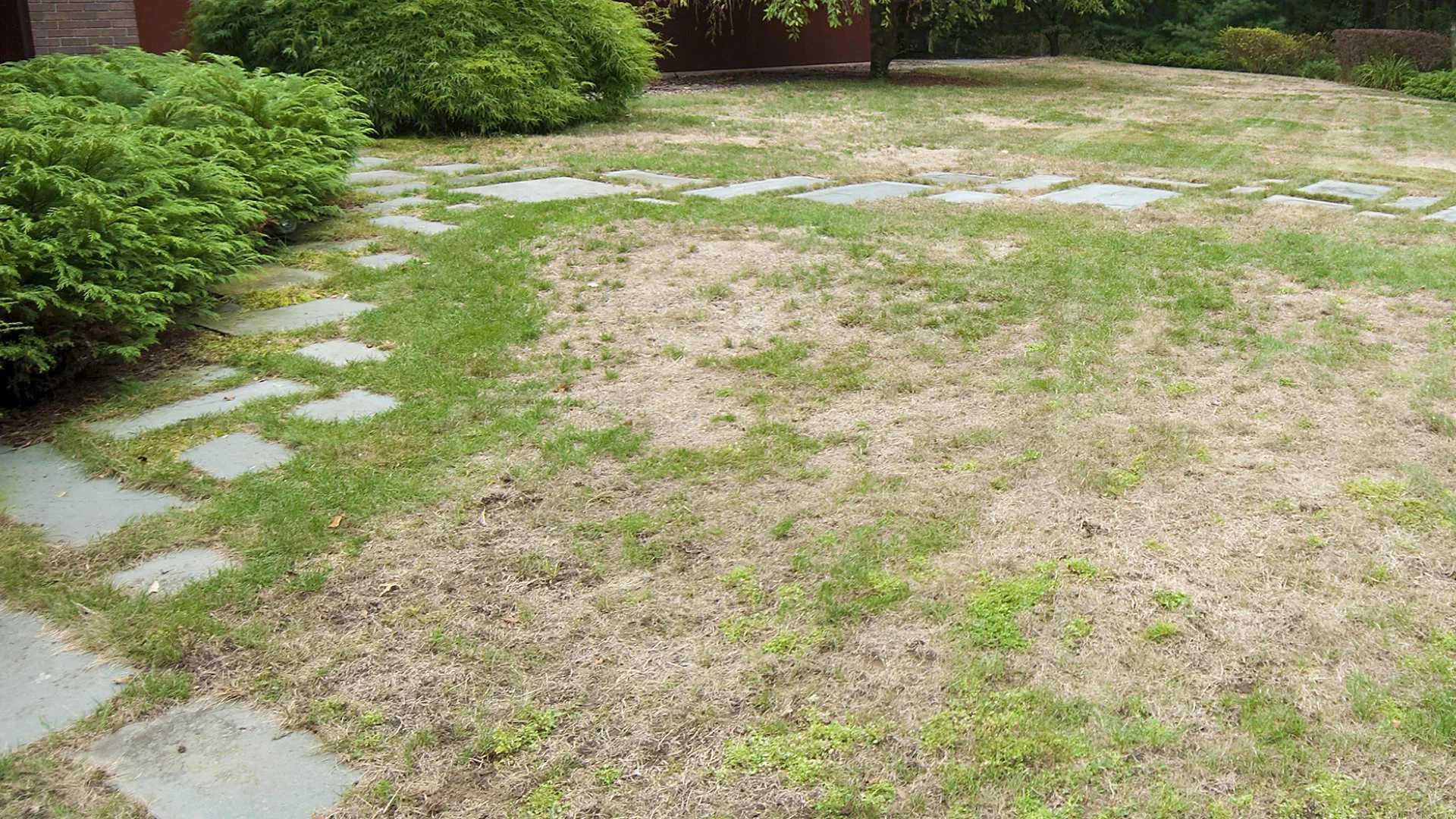

Dehydration, overfertilization, and lawn diseases are key causes of why your grass in Delaware or Pennsylvania has turned brown. Dehydration leads to loss of turgor pressure and reduced chlorophyll, resulting in wilted, dull blades. Overfertilization, particularly excess nitrogen, causes rapid growth that's unsustainable, and fertilizer burn, where salts dehydrate the roots. Lawn diseases, like brown patch and dollar spot, thrive in specific conditions, damaging tissue and disrupting nutrient flow. Brown patch creates large, circular areas, while dollar spot forms small, sunken patches.
Dehydration can make your lawn turn brown.
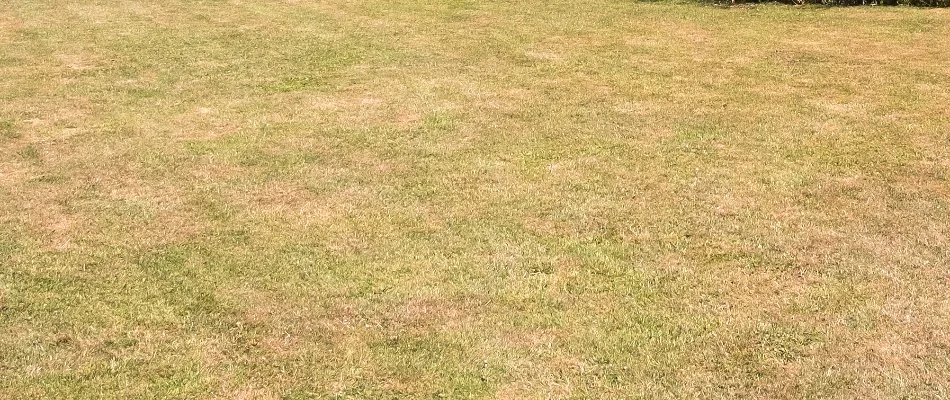
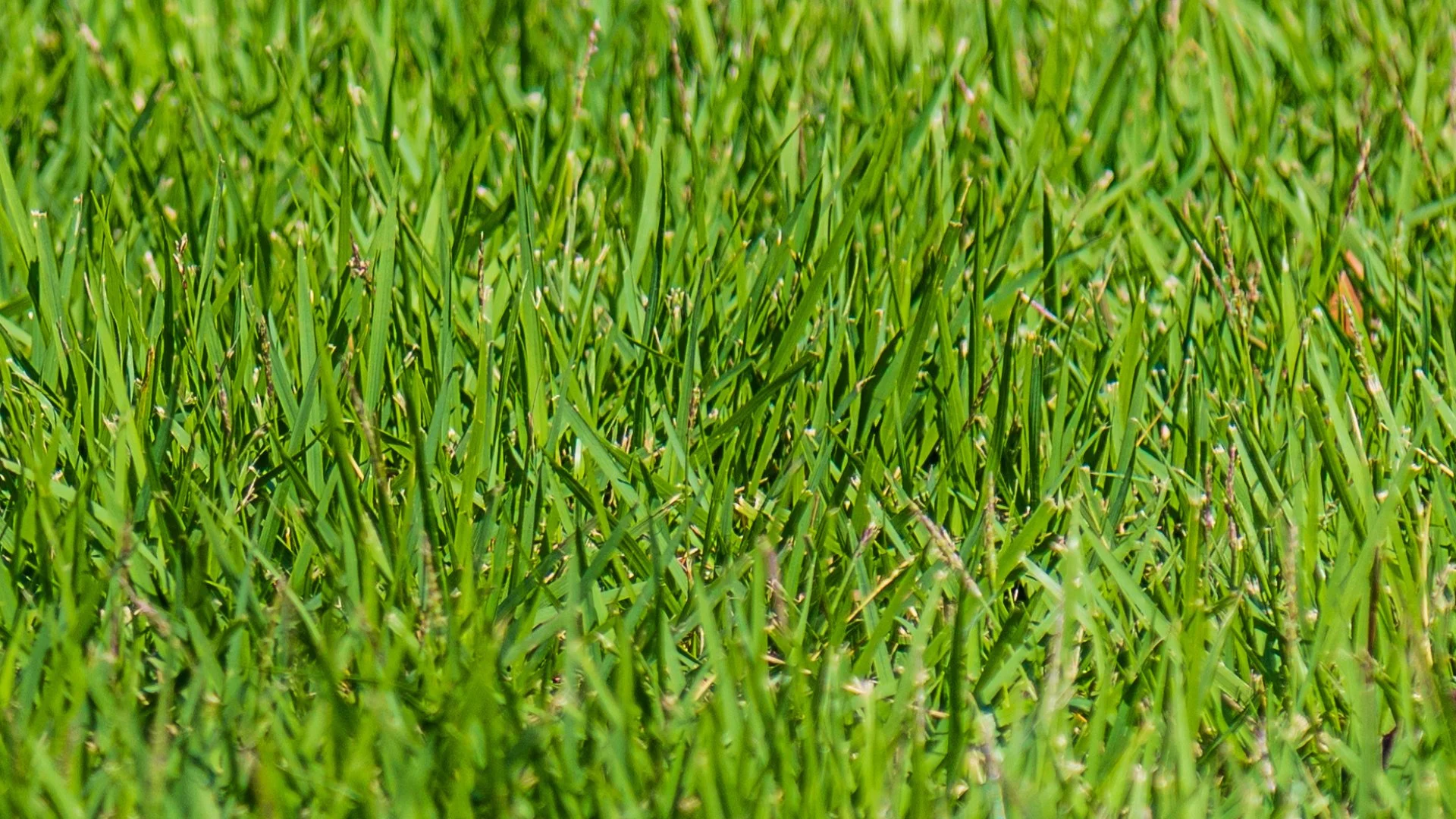
Dehydration significantly impacts grass, leading to browning as it struggles to maintain its health and vibrant color. Grass relies on consistent moisture for vital processes. When water is scarce, the cells lose turgor pressure, causing the blades to wilt and droop. This pressure loss also diminishes chlorophyll production, the pigment responsible for the green color essential for photosynthesis. Without sufficient chlorophyll, the grass can't efficiently convert sunlight into energy, resulting in a dull, brown appearance.
Moreover, dry soil exacerbates the problem by becoming compacted and less porous, hindering nutrient and moisture absorption by the roots. Efficient nutrient uptake is crucial, and when roots can't access what they need, the grass suffers. Stressed roots lead to weakened blades, further contributing to browning. The overall deterioration highlights how vital consistent watering is for a thriving, healthy lawn.
Overfertilization can turn your grass from green to brown.
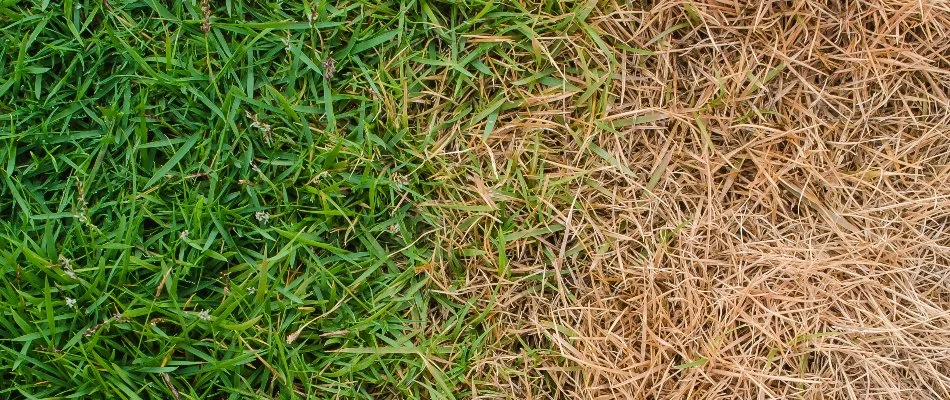
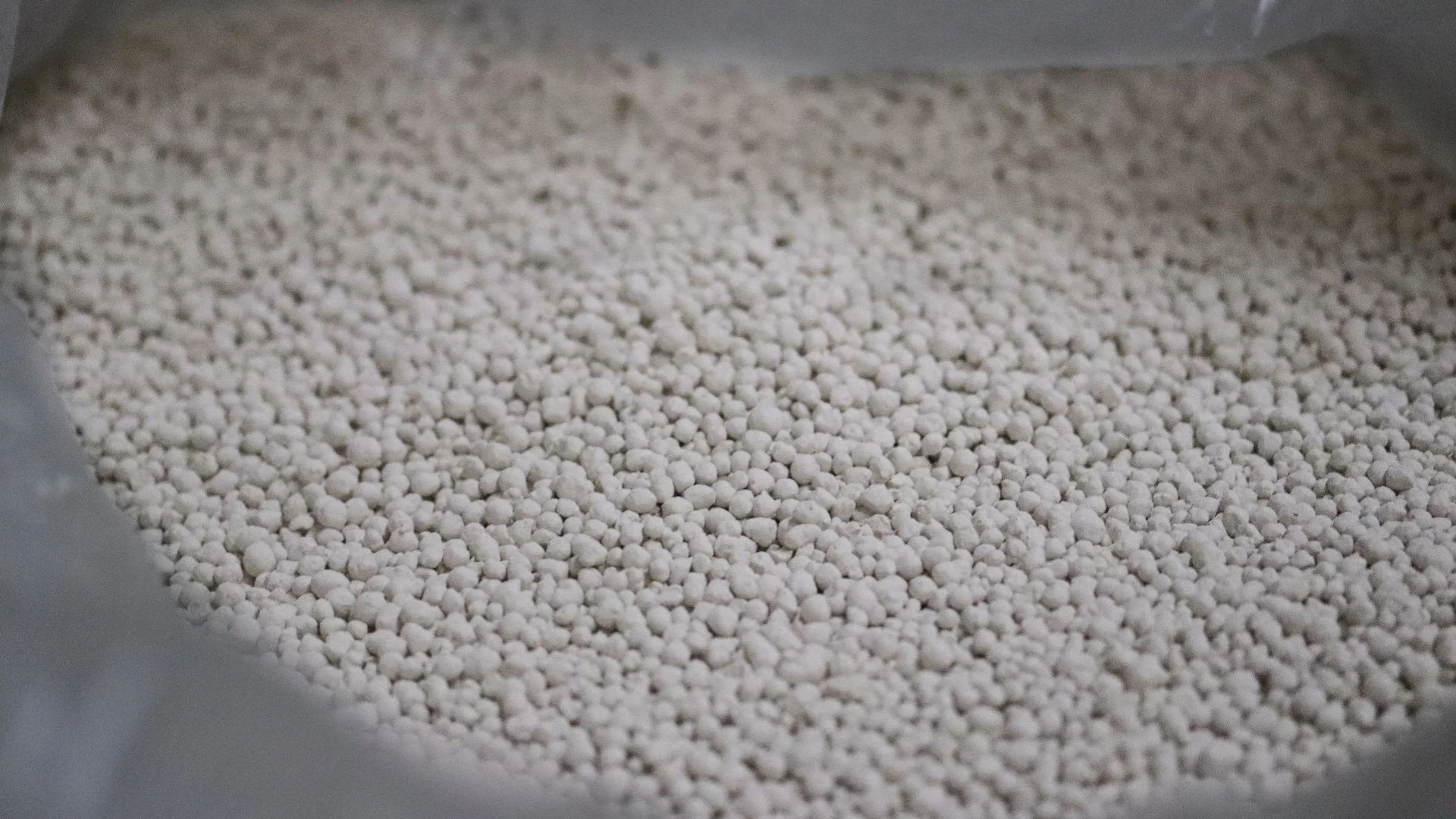
Overfertilization is a frequent cause of browning in lawns. While nutrients are vital for growth, too much—especially nitrogen—can be harmful. Excessive nitrogen prompts rapid growth spurts that the grass cannot sustain, leading to weakened structures and reduced resilience. This overstimulation overwhelms the plant, compromising its ability to maintain healthy tissue.
One of the most visible effects of overfertilization is fertilizer burn. This happens when an excess concentration of salts from fertilizers accumulates, drawing moisture away from the grass roots and causing dehydration. The roots become scorched or burnt, impairing their ability to absorb water and nutrients effectively. The imbalance disrupts the grass's metabolic processes, causing it to struggle in maintaining normal functions. The resulting stress creates conditions ripe for cellular damage, ultimately causing the grass to turn brown.
Lawn Diseases Result in Brown Grass
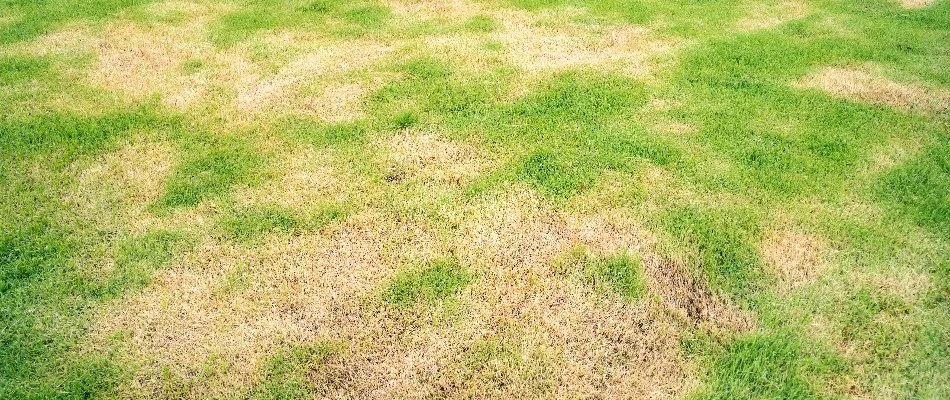
Lawn diseases are significant contributors to brown patches, with fungal infections being particularly prevalent. These diseases thrive under specific environmental conditions, leading to severe damage and discoloration in your lawn:
- Brown patch disease commonly occurs in warm, humid conditions. The fungus responsible for this disease invades the grass tissue, creating large, circular brown areas that can cover substantial portions of the lawn. This infection inhibits the movement of water and nutrients crucial for the plant's survival. As the grass struggles to transport these essential resources, it starts to brown and weaken.
- Dollar spot appears as small, sunken, and bleached patches of grass and is more prevalent in lawns with low nitrogen levels. The fungi specifically attack the leaf tissue, breaking down chlorophyll that leads to visible discoloration and patchiness.
Restore your lawn's vibrant green color—call us today to sign up for our lawn care services!
A brown lawn can detract from your curb appeal and make your yard less attractive. Here at Delaware Valley Turf, we offer lawn care services to help restore the vibrant green color of your grass! Our lawn fertilization service involves regular fertilizer treatments during the growing season to maintain the health and appearance of your turf, while our lawn disease control service provides effective treatments to get rid of fungal infections that are weakening your grass. These services are offered to property owners in Newark, DE, Doylestown, Blue Bell, PA, and surrounding areas. Call us today at (610) 328-4170 to sign up for these services!

Comments (0)
Thanks for your comment!
Thanks for your feedback! Your comments have been successfully submitted! Please note, all comments require admin approval prior to display.
Error submitting comment!
There is a problem with your comment, please see below and try again.