
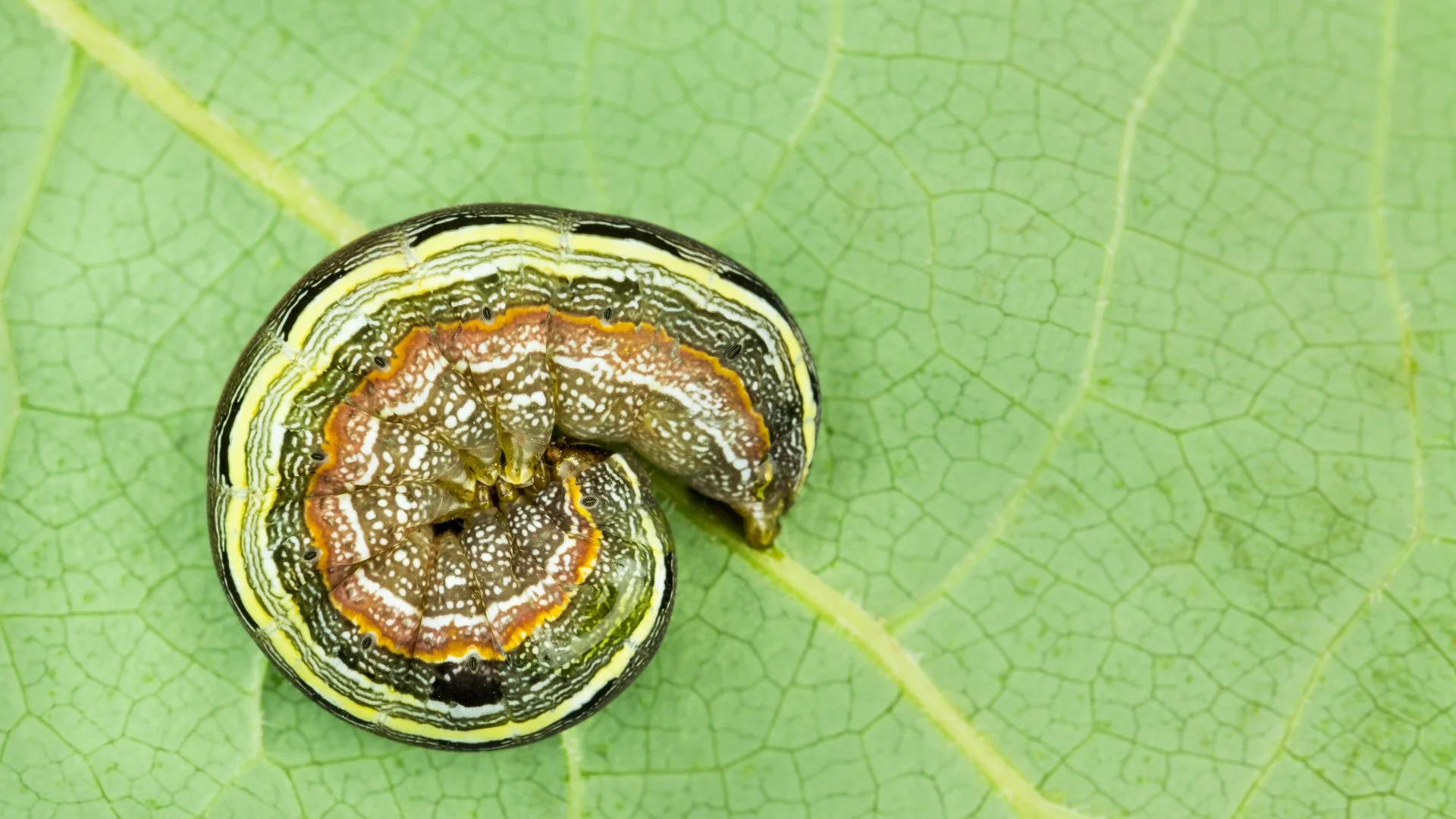

Armyworms are caterpillar pests that march in large numbers across lawns, devouring grass as they go. They can cause severe damage quickly, leaving lawns brown and patchy. Armyworms are most problematic in Delaware and Pennsylvania in late summer and early fall due to favorable warm, humid conditions. Monitoring for signs is crucial during these months to prevent extensive damage. If you spot an infestation, contact lawn care experts immediately. They’ll confirm the issue and apply targeted insecticides safely to eliminate the pests. Professional intervention ensures effective treatment, minimizing damage and protecting beneficial insects and the environment.
What are armyworms, and what damage can they cause?
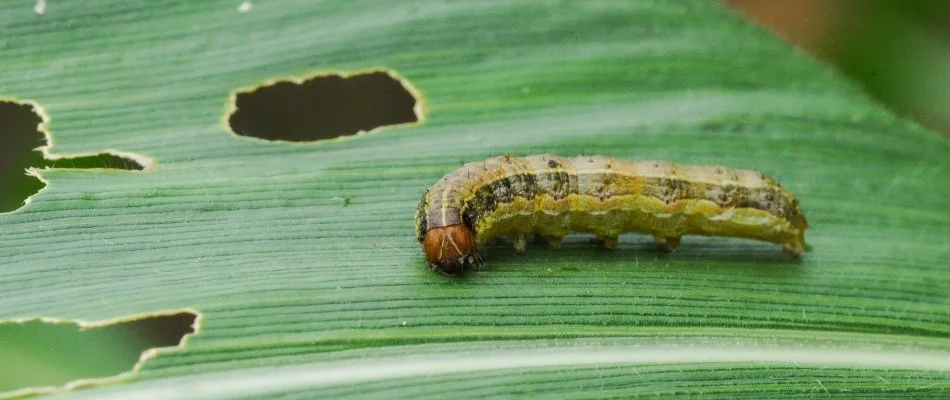
Armyworms are caterpillar pests that get their name from their behavior of marching across lawns in large numbers like a miniature army. These larvae of moths are primarily green, brown, or black and measure about 1.5 to 2 inches long. They may be small, but they are voracious eaters, capable of stripping grass blades bare.
These pests feast on a variety of grasses, including fescue, Kentucky bluegrass, and ryegrass, quickly turning a healthy lawn into a brown, patchy mess. Armyworms chew through the grass leaves, weakening or killing them and leaving behind a lawn that looks scorched or brown despite regular watering. If left unchecked, a severe armyworm infestation can cause extensive damage practically overnight, necessitating costly and time-consuming repairs.
When do armyworms become most problematic?
Armyworms are most problematic during late summer and early fall when their populations peak. Warm temperatures and humidity during these months provide the perfect conditions for armyworm eggs to hatch and larvae to thrive. It's not uncommon for you to be caught off guard during this time, as the signs of infestation can appear suddenly and progress quickly.
During their active months, armyworms can cause visible damage in just a few days. One moment, your lawn is the envy of the neighborhood, and the next, it's a mottled patchwork of brown and green. Monitoring your lawn for signs of these pests during late summer and early fall can be crucial in mitigating their impact.
What should you do if you notice signs of an armyworm infestation?
If you suspect armyworms have invaded your lawn, it's essential to take quick action. The first step is to reach out to lawn care experts who specialize in lawn insect control. These experts will inspect your turf to confirm whether armyworms are indeed the culprits. Proper identification is crucial before any treatment begins, as misdiagnosing the problem can lead to ineffective solutions and further lawn damage.
Once confirmed, professionals can administer a curative treatment designed to eliminate armyworms and minimize further destruction. These treatments typically involve targeted insecticides that effectively control armyworm populations. Professional lawn care providers have the expertise and resources to ensure treatments are applied safely and effectively, reducing the risk of harm to beneficial insects and the environment.
Call us today to schedule our armyworm control service!
If you suspect that your lawn is infested with armyworms, it's important to take action quickly to prevent further damage. At Delaware Valley Turf, we offer a comprehensive armyworm control service that begins with inspecting your lawn to confirm the presence of armyworms. Once confirmed, this service provides three insect control treatments from early June to September to eliminate armyworms and keep them from coming back. Our team of experts has the knowledge and experience necessary to effectively control armyworm infestations and restore your lawn to its healthy, vibrant state.
We offer our armyworm control service to property owners in Newark, DE, Doylestown, Blue Bell, PA, and throughout the surrounding areas. Don't let armyworms destroy your lawn - call us today at (610) 328-4170 to schedule our service and protect it from these destructive pests!

Comments (0)
Thanks for your comment!
Thanks for your feedback! Your comments have been successfully submitted! Please note, all comments require admin approval prior to display.
Error submitting comment!
There is a problem with your comment, please see below and try again.